

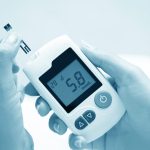
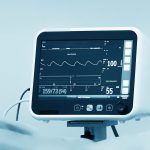
Medical device clinical trials are pivotal in demonstrating the safety and effectiveness of devices before they reach the market. Unlike pharmaceutical trials, these studies often involve complex data generated from device use, electronic monitoring, and patient interactions. To ensure that the data collected is reliable, consistent, and compliant with regulatory requirements, data standards and quality assurance (QA) play a foundational role.
This blog explores the importance of data standards and QA in medical device clinical trials, the regulatory landscape, best practices for data management, and how these elements contribute to successful trial outcomes and regulatory approvals.
Why does it matter ?
Clinical trials for medical devices generate diverse types of data-from device performance metrics to patient-reported outcomes. Without standardized data formats and definitions, integrating and analyzing this information becomes challenging and error-prone.
Data standards provide a common language and structure that enable:
- Consistency: Uniform data collection across multiple trial sites and over time reduces variability and discrepancies.
- Interoperability: Standardized data can be easily shared, aggregated, and analyzed across different systems and stakeholders.
- Regulatory Compliance: Agencies like the FDA and EMA expect submissions to follow recognized standards, facilitating smoother review processes.
- Traceability and Transparency: Standards ensure that every data point can be traced back to its source, supporting audit readiness and data integrity.
One of the most recognized standards in this domain is the Clinical Data Interchange Standards Consortium (CDISC), which offers models such as the Study Data Tabulation Model (SDTM) and Analysis Data Model (ADaM) tailored for medical device data210.
Quality Assurance: Safeguarding Data Integrity and Patient Safety
Quality Assurance in clinical trials encompasses systematic processes designed to ensure that trials are conducted according to protocols, regulatory guidelines, and Good Clinical Practice (GCP) standards. QA is essential to:
- Ensure Participant Safety: By monitoring adherence to protocols and ethical standards, QA protects trial subjects.
- Guarantee Data Accuracy: QA identifies and mitigates errors or inconsistencies in data collection and reporting.
- Maintain Compliance: QA ensures that trials meet regulatory requirements, avoiding costly delays or rejections.
- Support Valid Conclusions: Reliable data underpins the scientific validity of trial outcomes.
QA activities include protocol adherence checks, source data verification (SDV), audits, and ongoing monitoring of trial conduct38.
Regulatory Landscape for Data Standards and QA in Medical Device Trials
Medical device trials are governed by a complex regulatory framework that emphasizes data quality and standardization:
- ISO 13485: Specifies requirements for a quality management system for medical devices, including clinical data management.
- ISO 14155: Provides international standards specifically for clinical investigations of medical devices, focusing on ethical and scientific quality.
- FDA Regulations: Including 21 CFR Part 11 for electronic records and signatures, and guidance documents on clinical trial data and cybersecurity.
- EU Medical Device Regulation (MDR): Mandates rigorous clinical evaluation and data transparency.
- CDISC Standards: Increasingly required or recommended for data submissions to regulatory agencies worldwide29.
Understanding these regulations is crucial for trial sponsors to design compliant data management plans and QA processes.
Best Practices for Data Standards and Quality Assurance in Medical Device Clinical Trials
1. Develop a Robust Data Management Plan
A comprehensive plan should define:
- Roles and responsibilities for data collection, entry, and monitoring.
- Standardized case report forms (CRFs) or electronic data capture (EDC) systems.
- Data validation and cleaning procedures.
- Data security and privacy measures, especially for Protected Health Information (PHI) and Personally Identifiable Information (PII).
- Procedures for data transfer, review, and signoff29.
2. Implement Standardized Data Collection and Formats
Use standardized data collection tools aligned with CDISC models to ensure data consistency across sites and devices. This includes:
- Defining clear data elements and measurement scales.
- Ensuring device-generated data (e.g., Bluetooth-enabled devices) is accurately captured and integrated.
- Utilizing electronic data capture systems to reduce manual entry errors246.
3. Conduct Comprehensive Training for Trial Staff
Training investigators, site personnel, and data entry staff on protocol requirements, data standards, and GCP guidelines is essential to minimize errors and maintain data quality46.
4. Perform Source Data Verification and Regular Audits
Regularly compare entered data against original source documents to verify accuracy. Conduct audits to identify process gaps and ensure ongoing compliance with protocols and regulations48.
5. Leverage Advanced Clinical Data Management Tools and Technologies
Adopt modern EDC systems with capabilities such as:
- Automated validation checks to flag inconsistencies in real-time.
- Real-time data monitoring dashboards.
- Secure, centralized repositories for seamless data access and traceability56.
6. Ensure Strong Quality Assurance Oversight
QA teams should monitor trial conduct, data integrity, and compliance continuously. Implement a quality management system that includes SOPs, risk management, and corrective action plans38.
Challenges and Solutions in Ensuring Data Standards and QA
Challenges
- Variability in device types and data complexity.
- Integration of device-generated electronic data with clinical trial systems.
- Maintaining data privacy and cybersecurity.
- Aligning global regulatory requirements and standards.
Solutions
- Engage experts with device-specific and regulatory experience early in trial planning.
- Use interoperable data standards like CDISC to simplify data integration.
- Implement robust cybersecurity protocols and informed consent processes.
- Stay updated on evolving regulations and guidance to maintain compliance29.
The Impact of Quality Data Standards and QA on Medical Device Clinical Trials
High-quality data and rigorous QA practices lead to:
- Faster regulatory approvals due to clear, consistent, and verifiable data.
- Reduced risk of trial delays and costly rework.
- Enhanced credibility and trust in clinical evidence.
- Improved patient safety and ethical trial conduct.
- Greater operational efficiency and cost savings through streamlined data processes159.
Conclusion
Data standards and quality assurance are the backbone of successful medical device clinical trials. They ensure that the complex and diverse data generated is accurate, reliable, and compliant with stringent regulatory requirements. By adopting recognized standards such as CDISC, implementing robust QA systems, and leveraging advanced data management technologies, sponsors can enhance trial integrity, accelerate regulatory approvals, and ultimately bring safe and effective medical devices to market.
For medical device manufacturers and clinical research organizations, prioritizing data standards and QA is not just a regulatory necessity-it is a strategic advantage in the competitive medical device landscape.
If you want to learn more about implementing effective clinical data management systems or quality assurance frameworks tailored for your medical device trials, feel free to reach out to MakroCare for expert guidance.
