

Any event which meets these three reporting criteria is considered an adverse incident and must be reported to the MHRA.
- An event has occurred – This also includes situations where testing performed on the device, examination of the information supplied with the device or any scientific information indicates some factor that could lead or has led to an event.
- The MANUFACTURER’s device is suspected to be a contributory cause of the INCIDENT
- The event led, or might have led, to one of the following outcomes:
- Death of a patient, USER or other person
- Serious deterioration in state of health of a patient, USER or other person
What to Report?
For SaMD, indirect harm is the most likely result of adverse events and may result from a medical decision, action, or taken/not taken by healthcare professionals, patients, or the general public based on data or results provided by the SaMD.
- Examples of indirect harm include: Misdiagnosis, delayed diagnosis, delayed treatment, etc…
- Examples of what indirect harm may be caused by: Imprecise results, inadequate quality controls, inadequate calibration, false positive or false negative results.
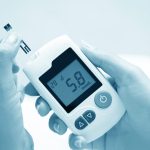
For self-testing devices, a medical decision may be made by the USER of the device who is also the patient.
- Examples of types of adverse incidents that may be reportable: Performance issues, Diagnostic accuracy issue, Decision support software resulting in harm, Issue with connected hardware/software, Human-Device Interface Problem, Use error resulting in harm, Inadequate labelling and instructions for use, Computer system security problem.
How to Report?
The MHRA, which is in charge of the UK medical device market, must be notified of any adverse incidents involving medical devices that take place there. The additional instructions under “Post-Market Surveillance” and MEDDEV 2.12/1 rev. 8 provide comprehensive information on the medical device vigilance system. The MORE Portal should be used to submit individual reports. You must register with MORE Portal in order to access.
Report as Individual Events
Adverse incidents, should be reported to MHRA. Manufacturers are advised to monitor customer feedback on social media channels and UK app stores and report where appropriate.
Each initial report must lead to a final report unless the initial and the final report are combined into one report. The final vigilance report should include the manufacturer’s final assessment, including root cause and details of any similar incidents and corrective or preventative actions with timescales as appropriate.
Report as Periodic Summary Reports (PSR)
Some adverse incidents are appropriate for periodic summary reporting. Details of the timing and content of periodic summary reports should be arranged on an individual basis with the MHRA
Report at Time Adverse Trend is Identified
A trend report should be reported to MHRA if there is a significant increase in incidents that are usually excluded from individual reporting. The manufacturer is expected to have suitable systems in place to enable proactive scrutiny of trends occurring with their devices. A trend report is required where this is a significant increase in the rate of already reportable incidents, incidents that are usually exempt from reporting and events that are usually not reportable.
Who must report to the MHRA
- The manufacturer
- The UK Responsible Person
- The Authorised Representative based in Northern Ireland
The manufacturer, UK Responsible Person notify the MHRA about incidents and FSCAs which meet the reporting criteria; this includes Periodic Summary Reports (PSR) and Trend Reports.
The manufacturer has the responsibility for investigating incidents and for taking any corrective action necessary. Where an incident occurs from the combined use of two or more separate devices (and/or accessories) that are made by different manufacturers, each manufacturer (or their UK Responsible Person or Authorised Representative) should submit a report to the MHRA.
Changes to the Incident Reporting System: Reports should be submitted via the new MORE portal to use this you must register. The XML output of the Manufacturer Incident Report (MIR) form can continue to be sent to the AICxml@mhra.gov.uk until April 2023.
When and how to report: If UK Responsible Person are reporting you must select ‘Other, please specify’ in Section 1.3.1. ‘Submitter of Report’ of the MIR form. Enter ‘UKRP’ and complete the contact details in Section 1.3.4. ‘Submitters details’. For more details, refer to the guidance document in Resources tile on your account in the new MORE portal.
Timescale for reporting an adverse incident to the MHRA:
- Serious public health threat: No later than 2 calendar days after the manufacturer becomes aware
- Death or unanticipated serious deterioration in state of health: No later than 10 calendar days after the manufacturer becomes aware
- Others: No later than 30 calendar days after the manufacturer became aware
Timescale for reporting PSRs and Trend reports: Timescales for reporting PSRs need to be agreed in advance with the MHRA. Trend reports should be submitted when you have identified a significant increase in the rate of incidents.
