


Medical devices play a critical role in modern healthcare, saving lives and improving the quality of life for millions. However, their success is not solely dependent on advanced technology. Equally important is how users – whether healthcare professionals, patients, or caregivers – interact with these devices. This is where usability testing services come into play, ensuring that devices are not only effective but also intuitive and safe to use.
In this blog, we will delve into the pivotal role of human factors in medical device usability testing, discussing its impact on safety, regulatory compliance, and user experience.
Understanding Human Factors in Medical Devices
What Are Human Factors?
Human factors refer to the study of how humans interact with technology, systems, and devices. In the context of medical devices, this discipline seeks to optimize design to align with user needs, capabilities, and limitations. This includes evaluating physical, cognitive, and emotional aspects of device use.
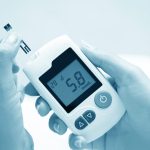
For instance, consider a glucometer. A well-designed glucometer should have clear instructions, easy-to-read displays, and a straightforward mechanism for inserting test strips – all of which rely on human factors principles.
Why Human Factors Matter in Medical Devices
- Enhancing Safety: Poor design can lead to misuse, potentially causing harm. Human factors engineering minimizes these risks by identifying and addressing potential errors during usability testing.
- Improving Efficiency: Devices designed with user needs in mind reduce the time and effort required for operation, especially in high-pressure environments like hospitals.
- Ensuring Compliance: Regulatory bodies like the FDA and ISO emphasize human factors in their guidelines, making usability testing a mandatory step for market approval.
The Role of Usability Testing Services
What Are Usability Testing Services?
Usability testing services evaluate how effectively and safely users can operate a medical device. These services employ real-world scenarios, engaging actual users to uncover potential usability issues.
Key components include:
- Task Analysis: Understanding how users interact with the device.
- Error Identification: Detecting and documenting potential misuse.
- Iterative Testing: Refining designs through repeated testing cycles.
How Human Factors Shape Usability Testing
Human factors drive the usability testing process, focusing on:
- User-Centered Design
Early involvement of end-users in the design phase ensures that the device meets their needs. For example, an insulin pump designed for elderly patients might feature larger buttons and a simplified interface. - Scenario-Based Testing
Simulating real-life scenarios helps assess how the device performs in various conditions. This includes environmental factors (e.g., lighting, noise) and user stress levels. - Feedback Integration
Gathering user feedback during testing allows designers to refine the device, eliminating pain points and improving overall usability.
Real-World Examples of Human Factors in Action
Case Study: Infusion Pumps
Infusion pumps are critical for delivering medication and fluids. Poorly designed interfaces have historically led to dosing errors, endangering patients. By applying human factors principles, manufacturers have:
- Reduced cognitive load through intuitive interfaces.
- Enhanced safety with automated error alerts.
Case Study: Home Dialysis Machines
Devices intended for home use face unique challenges, as users are often non-professionals. Human factors engineering ensures:
- Clear instructions for setup and operation.
- Reduced dependency on technical support.
Benefits of Human Factors in Usability Testing
- Reduced Risk of User Error
Human factors testing identifies potential risks before the device reaches the market, preventing costly recalls and liability issues.
“Incorporating human factors early in the design phase significantly reduces the likelihood of user error, safeguarding both patients and healthcare providers.”
- Faster Regulatory Approval
Regulatory bodies require evidence of usability testing that considers human factors. A thorough testing process can streamline approvals, accelerating time-to-market.
- Enhanced Market Competitiveness
Devices that are easy to use and reliable gain higher acceptance among healthcare providers and patients, driving market success.
Key Steps in Human Factors Usability Testing
- User Research
Understand the target audience, including their skills, limitations, and expectations.
- Prototype Testing
Use early-stage prototypes to identify usability issues before finalizing the design.
- Risk Analysis
Assess potential hazards associated with device use and implement mitigations.
- Validation Testing
Conduct formal usability testing to demonstrate compliance with regulatory requirements.
Challenges and Solutions
Challenge 1: Diverse User Needs
Medical devices often serve a broad demographic, from trained professionals to lay users. Designing for all skill levels can be challenging.
Solution: Develop modular designs or customizable interfaces that cater to different user groups.
Challenge 2: Balancing Complexity and Simplicity
Advanced devices often require complex functionalities, which can overwhelm users.
Solution: Employ user-friendly interfaces and intuitive controls while maintaining advanced features.
How to Choose the Right Usability Testing Services?
Selecting the right partner for usability testing is crucial. Look for:
- Expertise in Human Factors: Ensure the provider has a strong background in human factors engineering.
- Regulatory Knowledge: Familiarity with FDA and ISO requirements is essential.
- Comprehensive Testing Facilities: Access to realistic testing environments enhances test validity.
Conclusion
Human factors are indispensable in medical device usability testing, bridging the gap between technology and end-users. By prioritizing safety, efficiency, and compliance, human factors engineering ensures that devices not only meet regulatory standards but also deliver a seamless user experience.
Investing in expert usability testing services is not just a regulatory necessity – it’s a commitment to better healthcare outcomes.
